
What Is a Miscarriage?
Miscarriages and their treatments are the subject of many pro-choice arguments in the same way that ectopic pregnancy treatments are. Pro-choice advocates insist these procedures perform the same function as an abortion and often use this rhetoric to support the legalization of abortion. So, what is a miscarriage? What is the difference between a miscarriage treatment and an abortion? What is a miscarriage? A miscarriage is the spontaneous loss of a pregnancy before 20 weeks gestation. Most miscarriages occur during the first trimester of pregnancy after the unborn baby fails to develop properly due to genetic or chromosomal abnormalities. Miscarriage can also occur as the result of maternal health issues, such as hormonal imbalances, diabetes, thyroid disease, and more. Women who have miscarried may experience pelvic cramping, bleeding, or passing of tissue from the vagina. If the woman’s body does not pass the embryo or fetus within a couple of days, she
What Is an Ectopic Pregnancy?
With the introduction of new pro-life laws, there is much confusion surrounding the topic of ectopic pregnancies. What is an ectopic pregnancy? Are ectopic pregnancy treatments protected under pro-life laws? Let’s clear up some of the misconceptions surrounding new legislation. What Is an Ectopic Pregnancy? In a normal, healthy pregnancy, the fertilized egg travels down the fallopian tube and into the uterus, where it implants and will remain until birth. This is not the case in an ectopic pregnancy. In an ectopic pregnancy, the fertilized egg implants somewhere other than the uterine wall—most often in the fallopian tubes but sometimes in the ovary, cervix, or abdominal cavity. Due to the location of implantation, an ectopic pregnancy is not viable or safe for a woman to carry.
In the event of an ectopic pregnancy, women may experience pelvic pain and vaginal bleeding early on. As the pregnancy progresses, women may also experience light-headedness and shoulder pain. Without proper treatment, the fallopian tube will rupture and cause life-threatening bleeding in the abdomen.
What Are Pregnancy Centers?
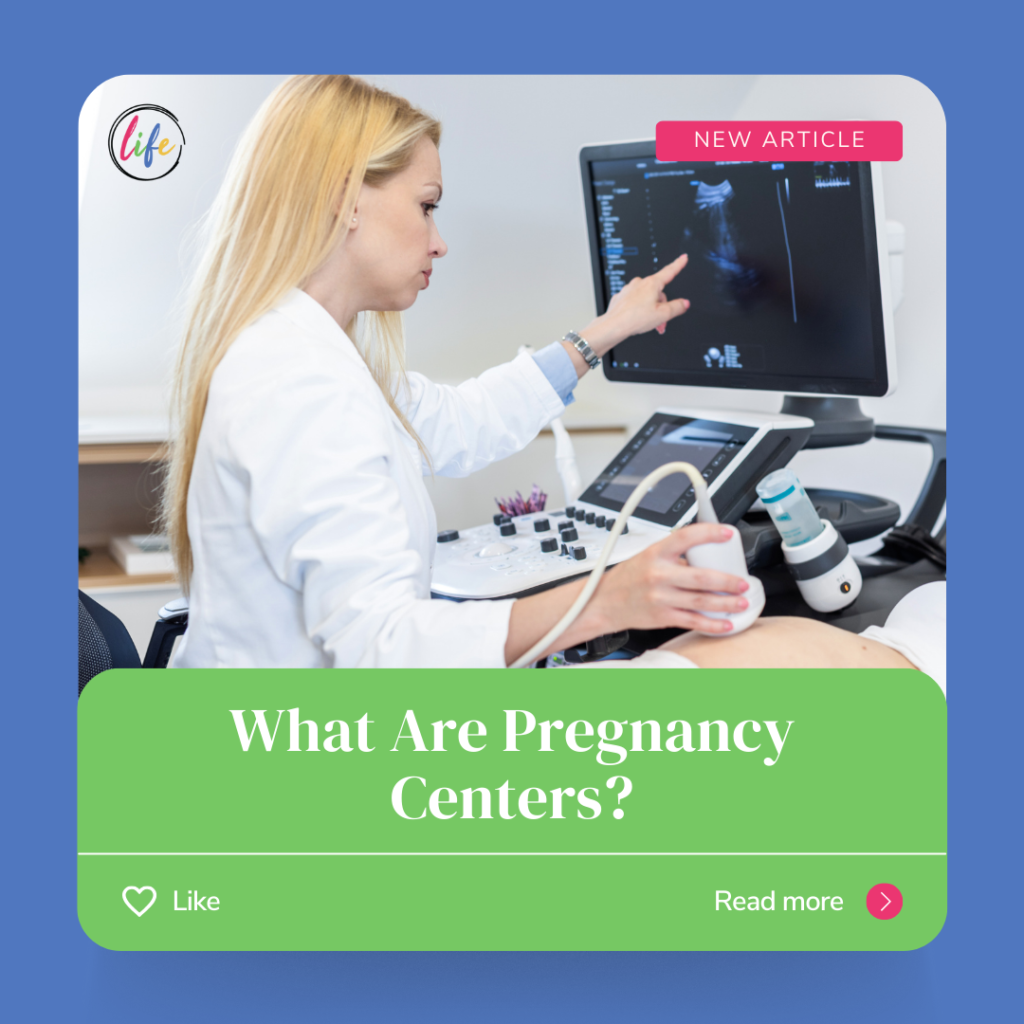
Often, women facing unintended pregnancies are not given the informed consent they deserve. They deserve to know all their options, and if they decide to move forward with parenting, should know what assistance and resources are available so they can give their children the lives they deserve. This is why pregnancy centers are a wonderful resource for expecting mothers and couples. These centers provide a wide-range of free services (many performed by licensed medical professionals) both during and after pregnancy. Many centers will provide services 2-3 years following the birth. For women who believe they could be pregnant, pregnancy centers offer free pregnancy testing and confirmation services. Many of these centers also offer free ultrasounds. Additionally, women who have taken the abortion pill and regret this decision can pursue an abortion pill reversal at many crisis pregnancy centers across the nation.
The Long-Term Health Benefits of Pregnancy
When talking about pregnancy, we often hear about all the aches, pains, and postpartum recovery that women endure to welcome their new babies into this world. However, we rarely hear about all the long-term health benefits that pregnancy provides. A woman experiences many hormonal shifts during pregnancy and postpartum. Did you know these hormonal shifts actually reduce her risk of many cancers? Hormones such as estrogen and progesterone promote cell growth. However, with lower estrogen and progesterone levels, pregnant women have a reduced risk of developing endometrial, breast, ovarian, and uterine cancers. Furthermore, breastfeeding is shown to reduce a woman’s risk of developing breast cancer.
Learning in the Womb
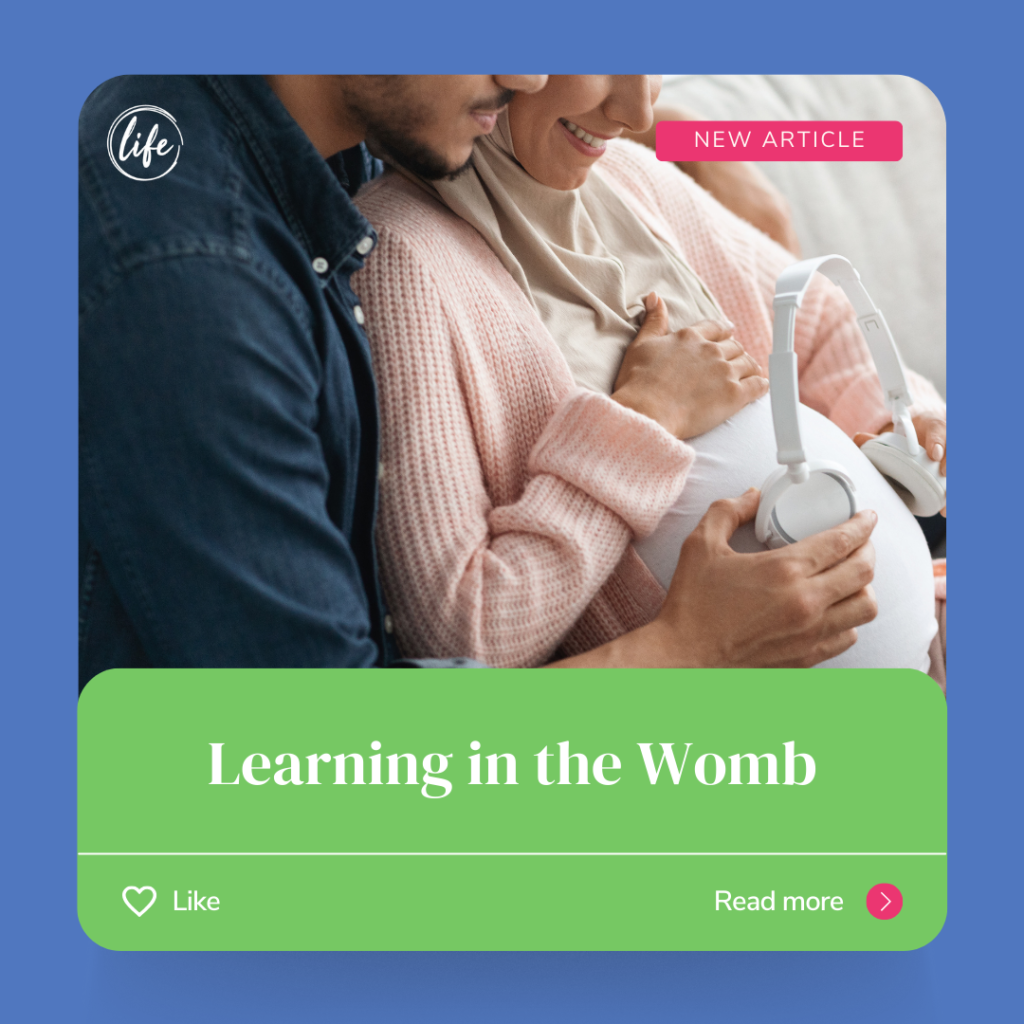
Over the course of nine months, fetuses aren’t just growing but learning as well. After all, their brains and senses are rapidly developing. Here are a few things fetuses are learning in the womb. By 30 weeks in utero, fetuses can form and retain memories. After birth, they recognize familiar sounds from the last trimester such as voices, songs, and stories. For instance, if Mom played a certain genre of music while pregnant, the baby may demonstrate a preference for this genre or find it soothing. Over the course of 9 months, fetuses grow so accustomed to hearing their mothers’ voices that their cries outside the womb tend to match the melodic patterns of their mothers’ native languages. In fact, research has found that language learning itself begins prior to birth. Newborns only hours old are able to differentiate between sounds from their native language and a foreign language.
A fetus’ ability to form memories extends to all their senses, as they may even recall tastes from the womb. What a woman eats affects the flavor of her amniotic fluid, which is continuously swallowed by the fetus. Experts say babies remember these flavors and even demonstrate a preference for these familiar flavors. This can be particularly influential in developing a baby’s palate, as Mom introduces flavors of her culture. Click here for studies on taste in the womb.
Do Late-Term Abortions Happen?
There is much discourse on the subject of late-term abortions. Choice advocates insist that late-term abortions simply do not happen. Is this true? We explore this topic further and share some of the illuminating facts about late-term abortions. What Is a Late-Term Abortion? While there is no definitive timeline for a “late-term abortion”, most use this term to refer to an abortion performed after 20-21 weeks gestation (between the end of the second trimester and birth). According to the CDC, in 2021 almost 1% of reported legal abortions occurred after 21 weeks gestation — that equates to over 6,200 abortions. This is an estimate since the United States does not require national reporting of abortions. Following the overturn of Roe in June 2022, 1 state allows abortion until the third trimester and 7 states have no gestational limits.
Coping With an Unintended Pregnancy
Facing an unintended pregnancy can be emotional and stressful, even if you have adequate support. It’s important that you approach decision-making with a clear mind, as you explore your options and discuss the future of your unborn child. Here are a few tips for coping with an unintended pregnancy. You’ve taken a pregnancy test and it’s positive—what now? While at-home pregnancy tests are accurate the majority of the time, it is important to get confirmation with a blood test. Before panicking and making any impulsive decisions, schedule an appointment with your doctor to confirm your pregnancy. It is common to feel angry, sad, stressed, or ashamed when faced with an unintended pregnancy. You may even be fearful of sharing the news with others. These are normal human emotions to experience as you navigate sudden life transitions. Therefore, it’s important to give yourself grace as you process this news. During this time, speak with a trusted friend, family member, or counselor who can help you process your emotions. Your mental health can affect your physical health, so prioritize your mental well-being.
The History of Safe Haven Baby Boxes
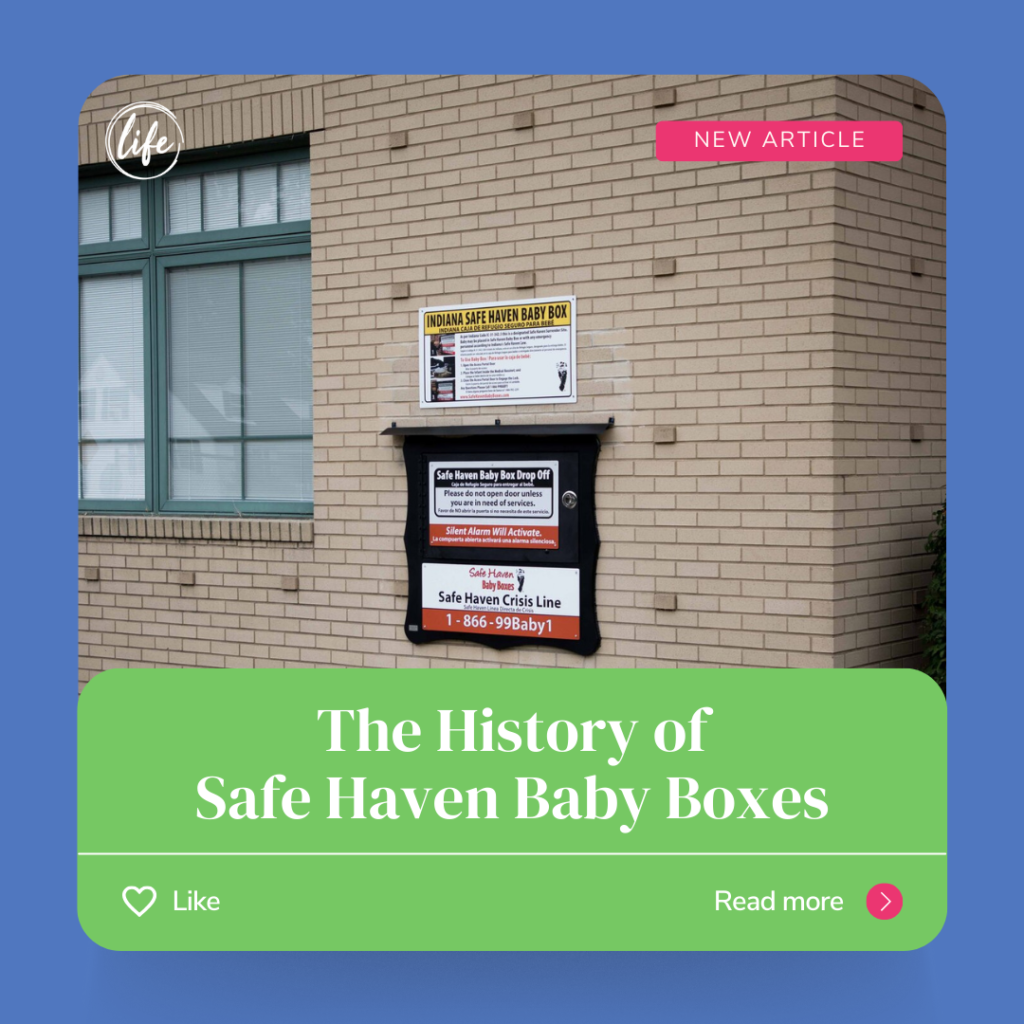
For women facing unintended pregnancies, fear and urgency may cause them to make impulsive decisions. In 2016, Safe Haven Baby Boxes was established to prevent the illegal abandonment of newborn babies and assist women in crisis. Here’s a brief history on Safe Haven Baby Boxes and its founder Monica Kelsey: How It All Began As an infant, Monica Kelsey was adopted by a couple in Ohio—but that’s not where her story began! Monica’s birth mother was 17 when she was brutally attacked, raped, and left to die on the side of the road. After becoming pregnant by her perpetrator, she was convinced an abortion was the best option due to her circumstances and trauma. When it was time to have the procedure, she began having second thoughts and fled the facility. Out of shame and fear, she lived the remainder of her pregnancy in seclusion before abandoning Monica just two hours after delivery.
Explaining the “Spark of Life” at Conception
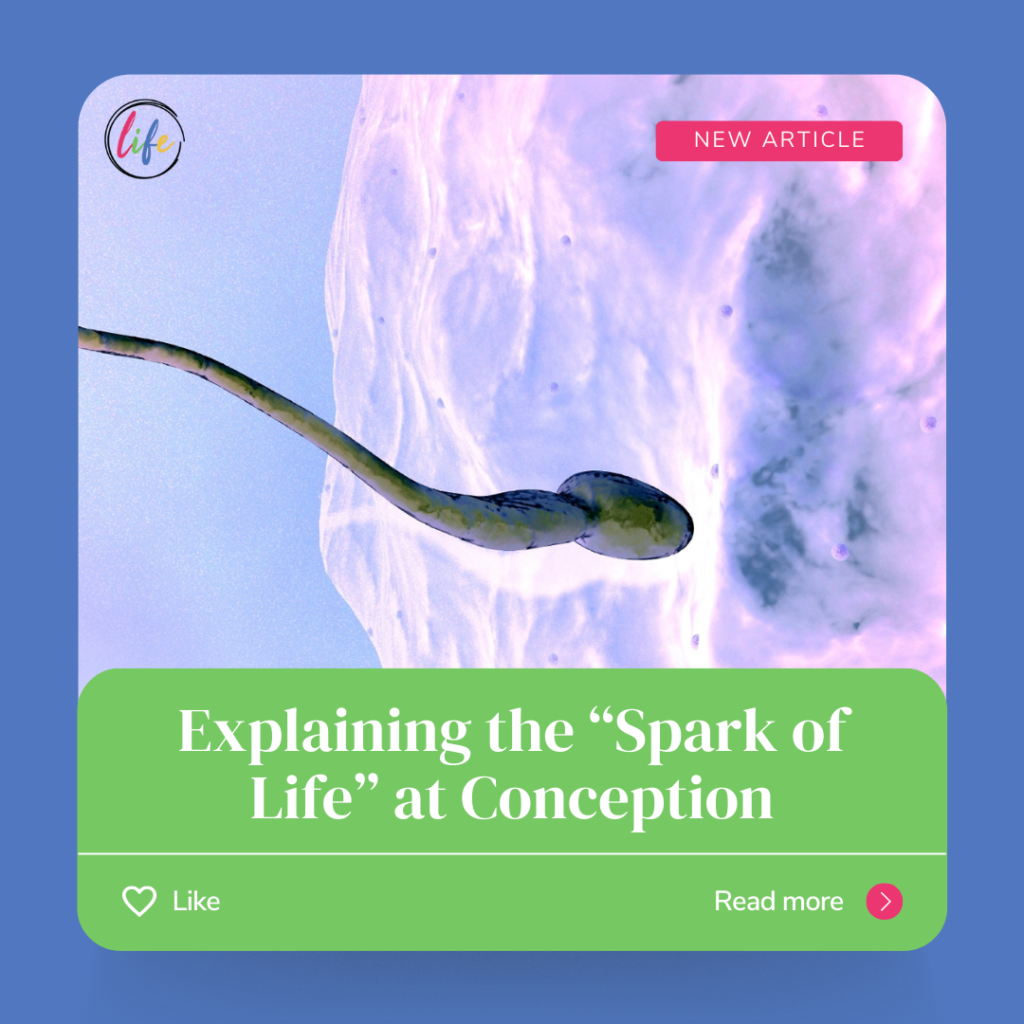
In recent years, scientists have discovered there is a flash of light at the moment of conception. Many people believe this is a “spark of life.” Why does this occur? We explain the science behind this “spark of life” at conception and what it could mean for fetal rights: What is this spark? For many years, scientists had only observed a spark of light at conception in animal reproduction. In 2011, scientists at Northwestern University discovered a spark at fertilization in mice eggs. They later observed human eggs and found that the same reaction occurred. So, what caused this spark of light? With new fluorescent sensors, scientists were able to identify the cause of this reaction: zinc. These sensors showed thousands of zinc compartments within the eggs. Upon fertilization, the sperm enzyme activated the egg, causing calcium levels to rise which triggered the release of zinc. This explosion of sorts lasted for up to two hours after fertilization.
Resources for New Parents
Becoming a parent is already a little scary and intimidating without the financial burdens of supporting a new life. However, there is emotional and financial support out there for new and expecting parents. We’ve compiled a list of healthcare, housing, food, and material assistance for those in need. Here are a few incredible resources for new parents: Healthcare Assistance Pregnant women and babies require extensive medical attention. Without insurance, the cost of healthcare is burdensome. Fortunately, our federal and state governments offer Medicaid. This program provides healthcare coverage to low-income families and qualified pregnant women and children. In addition to general healthcare, Medicaid also covers mental health services. This is especially beneficial for parents struggling to adjust to their new normal or postpartum women dealing with depression and anxiety.